

Why context matters more than translating individual words
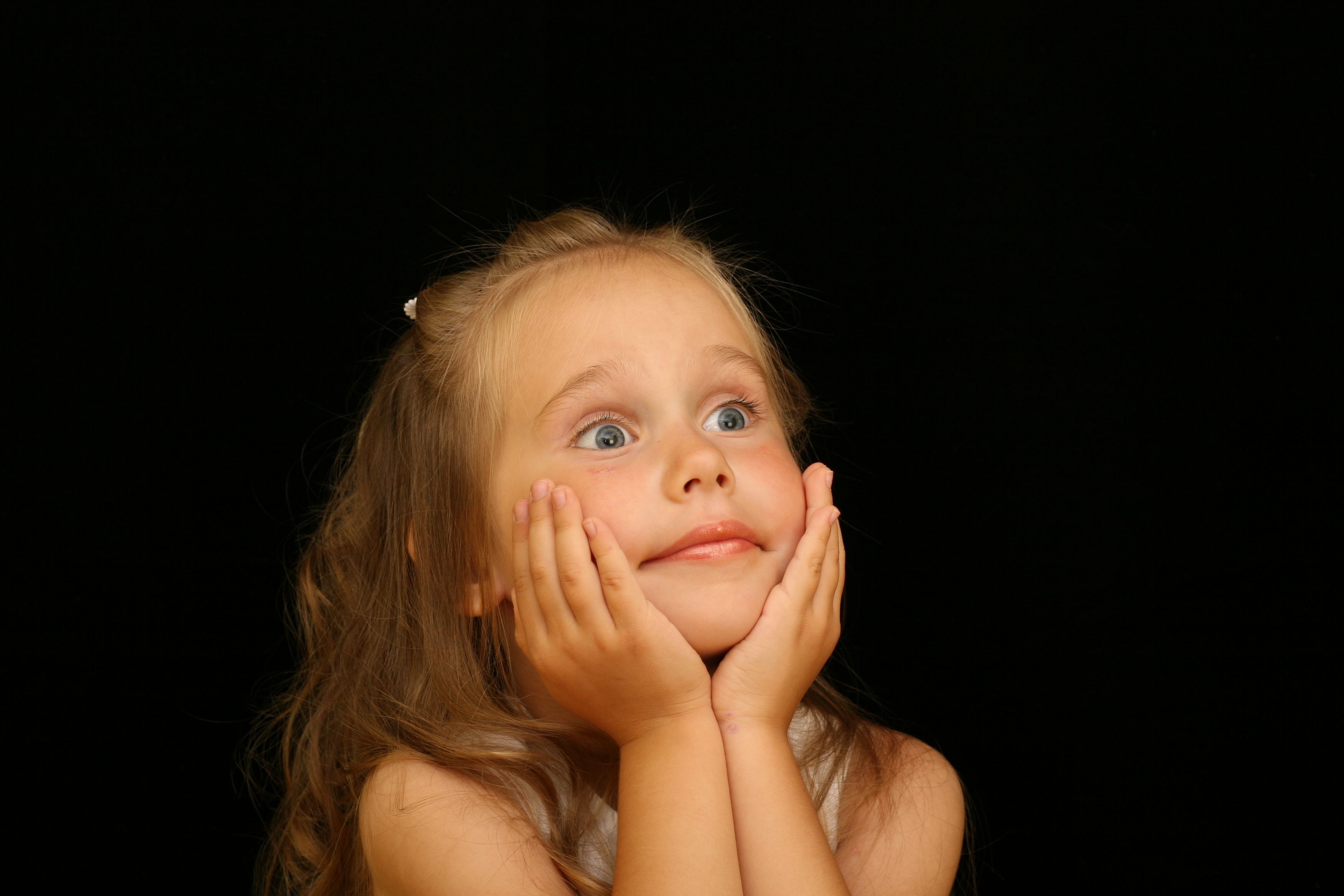
One of the concerns a client recently shared with me was that they didn’t want to use AI for their translations because they were worried it might fail to understand the context.
They gave a simple example: the English word cheeks can refer to the cheeks on your face or to your bottom.
The word itself is perfectly correct in both cases. The problem arises when you don’t understand which meaning is intended.
In another language, these two meanings may be expressed using different words, making the translator’s choice particularly important. If the context is misunderstood, the translation might be grammatically correct but still communicate the wrong thing.
And depending on the text, that can lead to anything from a slightly odd sentence to a genuinely embarrassing mistake.
Why context makes such a difference
Translation isn’t simply a matter of finding the equivalent of each word in another language. Words take their meaning from the sentences they appear in, the subject being discussed and the audience reading the text.
Sometimes the surrounding sentence makes the intended meaning obvious. In other cases, the translator needs to understand the wider document or ask the client a question before making a decision.
This is especially important when a word has several meanings, when a text contains ambiguous wording, or when the intended meaning depends on a specific situation.
Does this mean AI can’t translate?
Not necessarily. AI translation tools can be useful, and they can often produce good results. But a fluent sentence isn’t automatically an accurate one.
If a tool misinterprets the meaning of a word or misses an important detail, the translation may sound perfectly natural while saying something the original author never intended.
That’s why reviewing a translation involves more than checking grammar and spelling. Someone needs to verify that the message makes sense in context and that it communicates what the client actually wants to say.
The right words need the right meaning
A translation can look correct at first glance and still miss the point entirely. Understanding the context is what helps a translator choose the right meaning, not just a possible equivalent.
And sometimes, as the cheeks example shows, that small distinction can make all the difference.
Have you ever come across a translation that was technically correct but completely wrong in context? Some examples are funny, but they also show why understanding the message matters just as much as knowing the language.